- Go to the widget settings
- Click on Log in
- Log in to Google
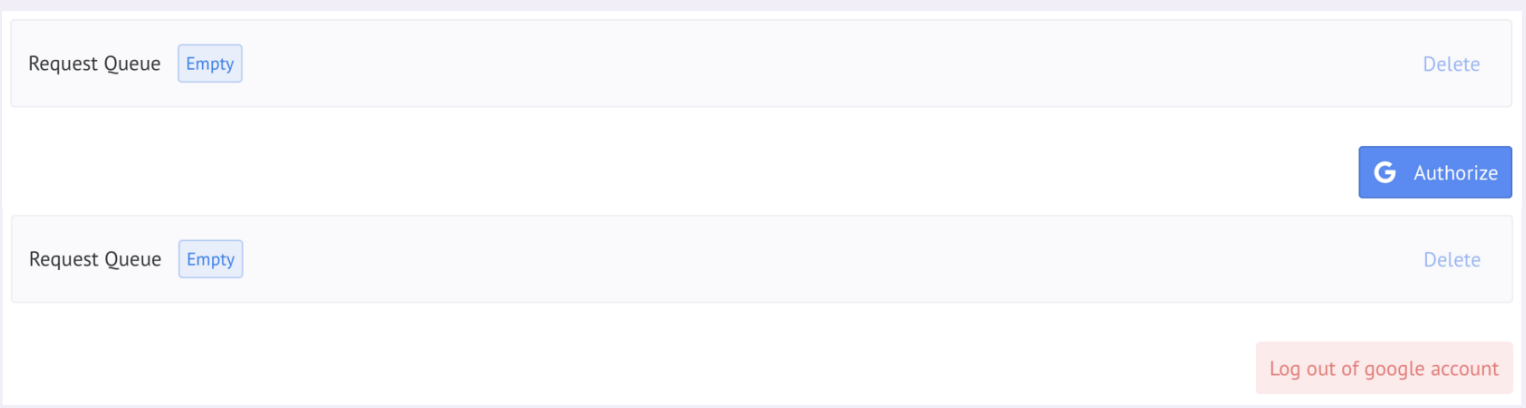
Automatically upload data from Kommo to Google Sheets based on triggers. All key data is synchronized in real time for accurate analytics.
Detailed guide for working with widget "Uploading to a Google spreadsheet from Kommo"
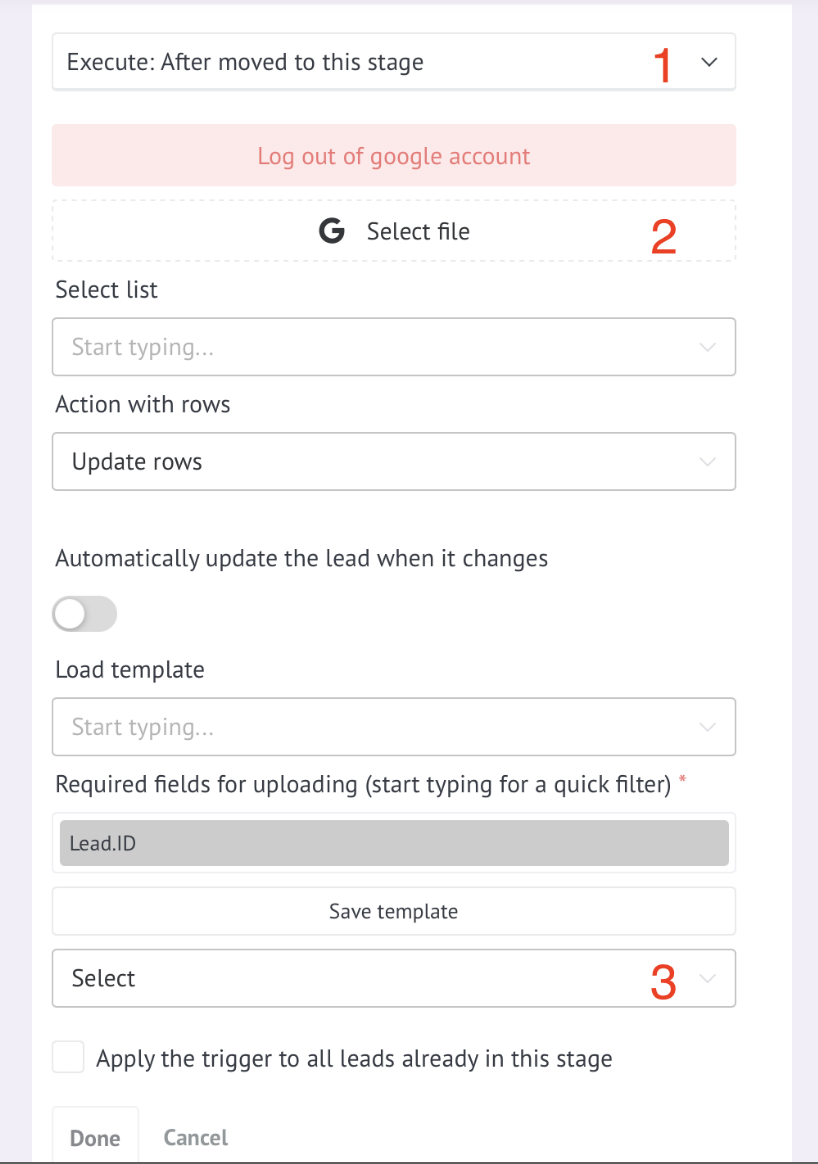
Specify the parameters:
1. Unloading condition — under what conditions the lead should be unloaded (for example, during the transition to the stage).
2. Select a file — select the document to which the upload will take place.
3. Fields to upload — select the fields that will be transferred to the table.
⚠ It is important to add fields in the same order as the columns in the table.
👉 Recommendation: upload data to a blank sheet without filters, and use the importrange function on another sheet to work. This will prevent crashes.
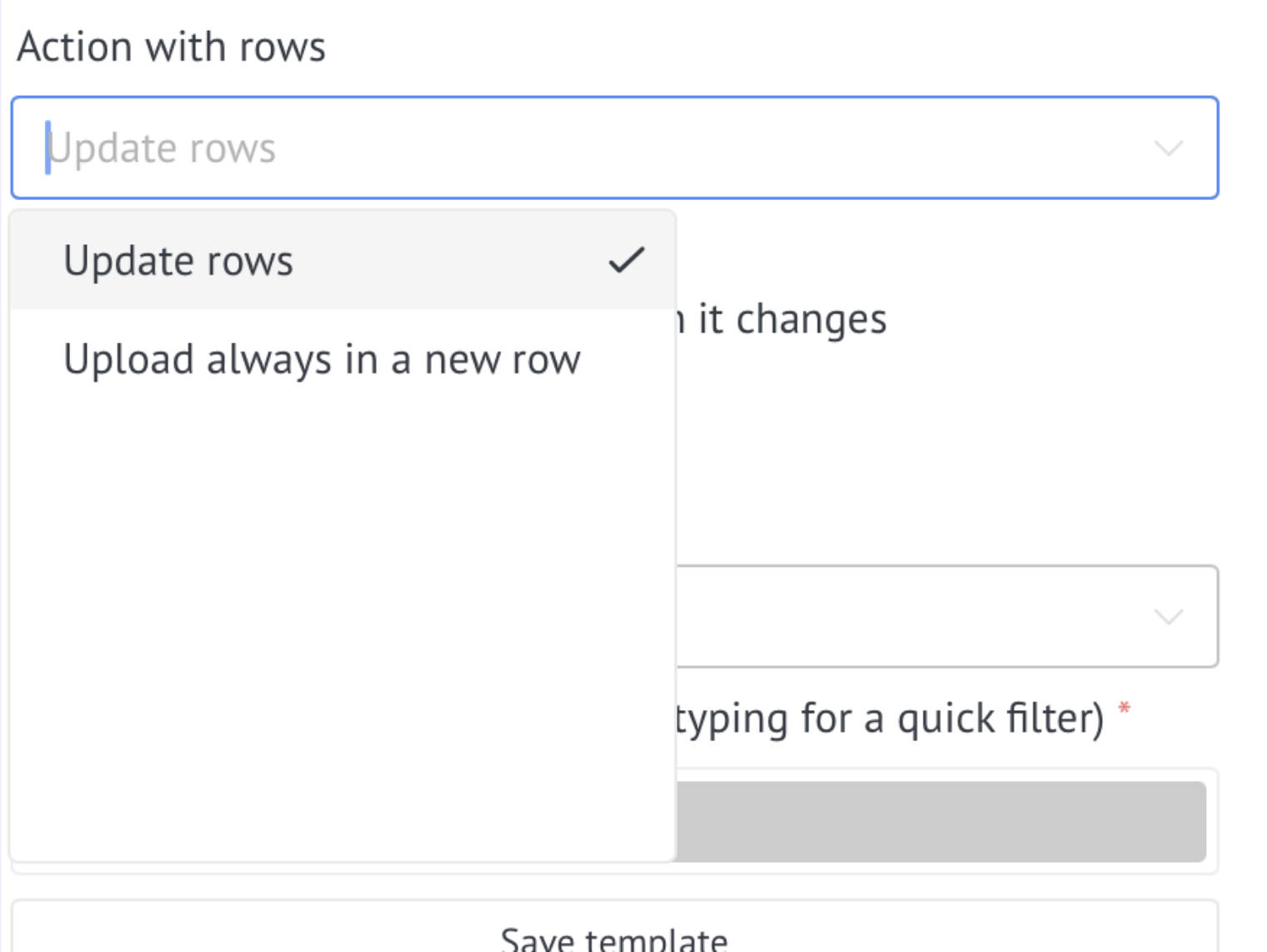
Actions with rows when uploading again:
In the first row of the table, specify the column headers.
Header format: Entity + field name (for example, "Lead.Date of creation").
A detailed list of supported fields can be found in the help.
This feature is designed for users who need to automate data export from Kommo based on specific events. It allows you to flexibly configure which data to export and under what conditions — for example, export paid invoices together with contact and lead data, or record changes in leads when specified triggers occur.
The following options are available in event-based export settings:
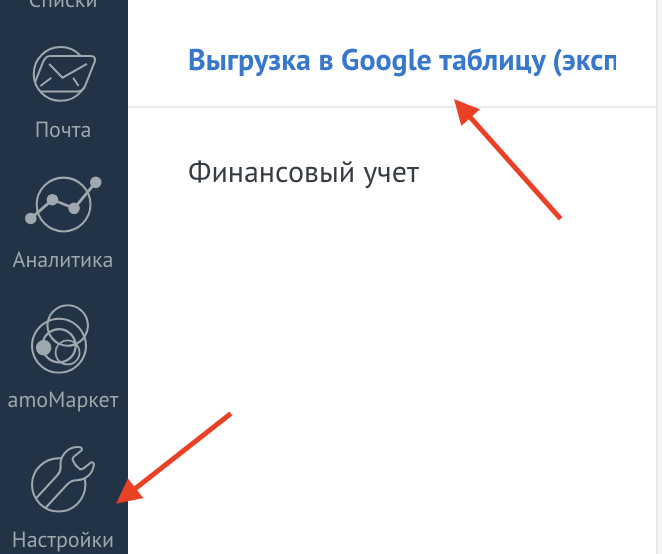
1. Go to settings
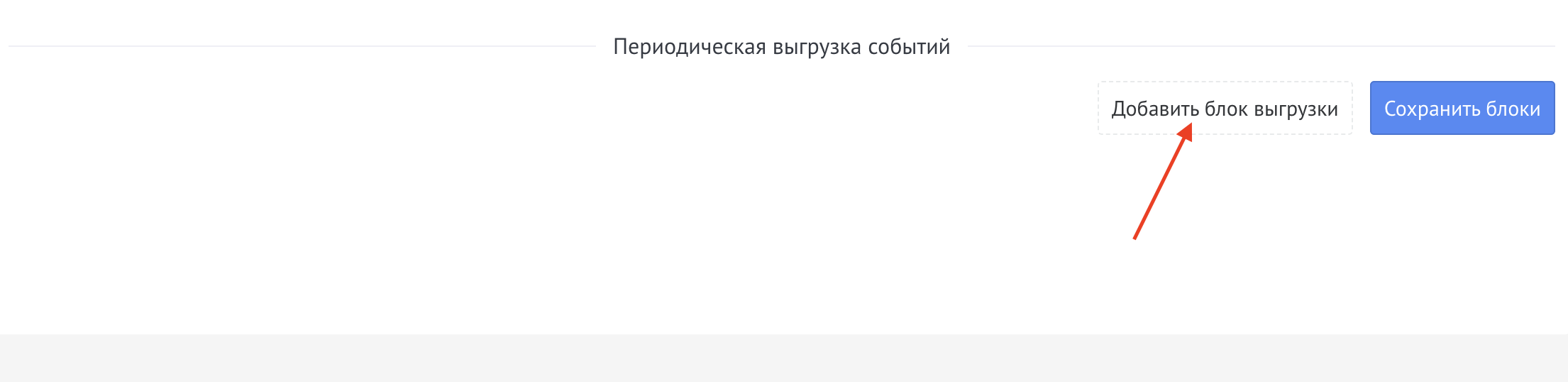
2. Click "Add export block"

3. Enter the block name

4. Select a document and sheet (if required)
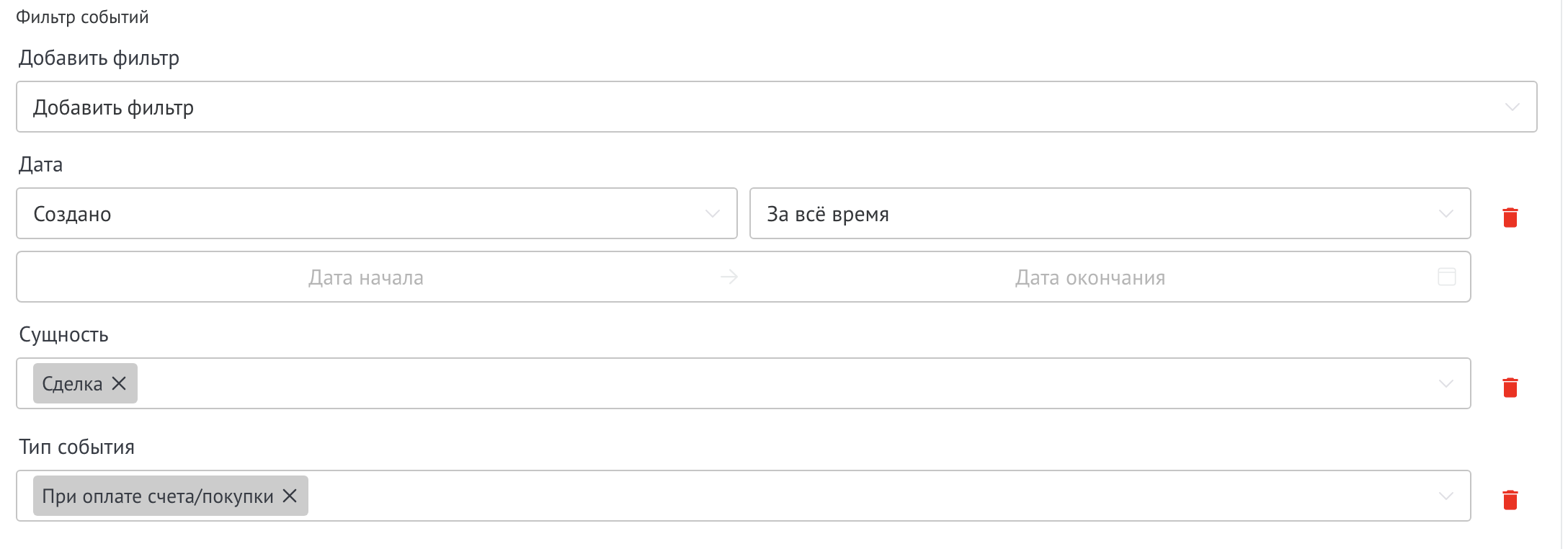
5. Select filters

6. Select fields for export
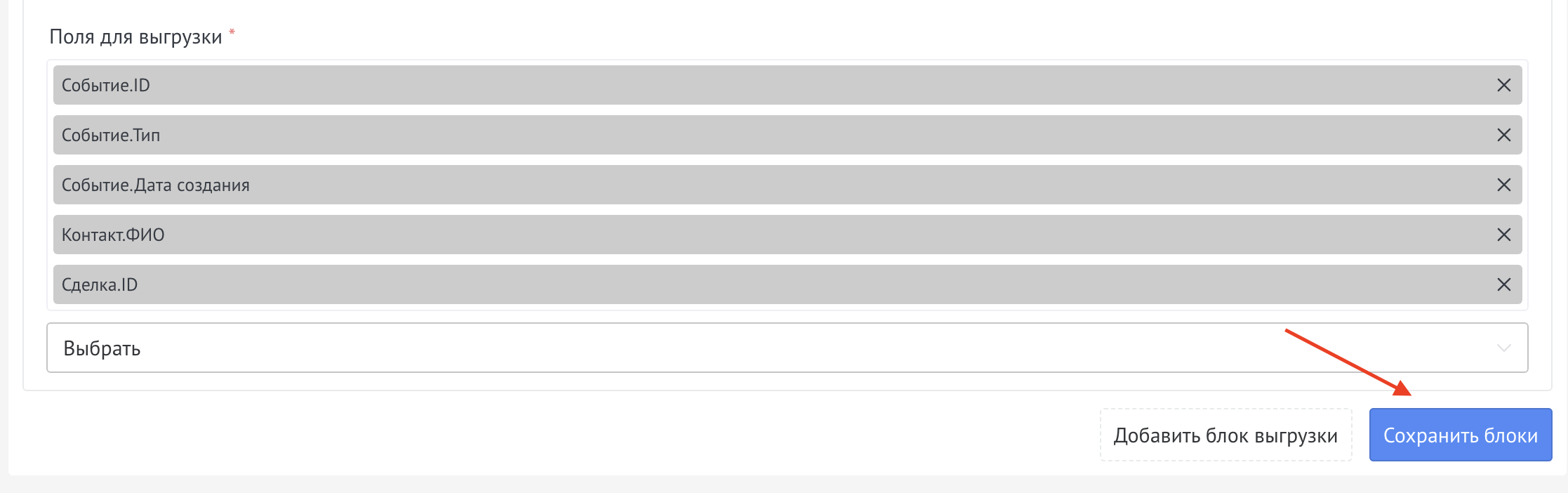
7. Save the block
Export leads when a task is completed.
The trigger is the "completed" status of a task linked to a lead. The export includes lead fields, task parameters (name, due date, result), and assignee data. This helps track task completion and assess their impact on leads.
Export leads when a tag is added.
The event is adding a specific tag to a lead. The export includes lead fields and the tag itself, and optionally additional data (for example, responsible manager, pipeline stage). This approach is useful for lead segmentation and quick response to changes.
Export merged leads.
The trigger is the "lead merge" event. The export includes key fields from both original leads and the final parameters of the merged lead. This allows you to track change history, verify merge correctness, and analyze lead dynamics.
Export paid invoices with contact and lead data.
The selected event is "invoice payment". Event fields include invoice details and payment date. Related entities add contact fields (name, phone, email) and lead fields (number, amount, status). This export is convenient for payment reports and customer base analysis.